It’s cliche to say something is a trip of a lifetime. But when no other words describe the experience, perhaps we fall back on cliches.
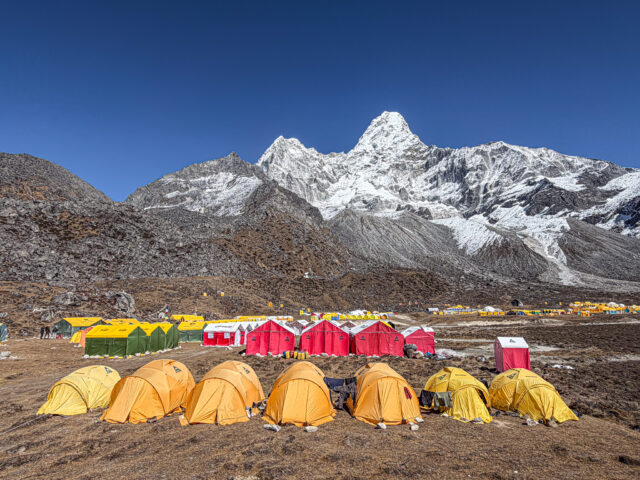
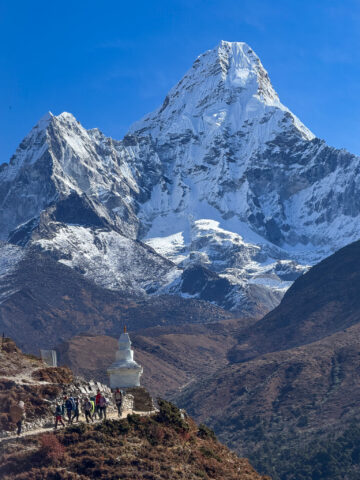
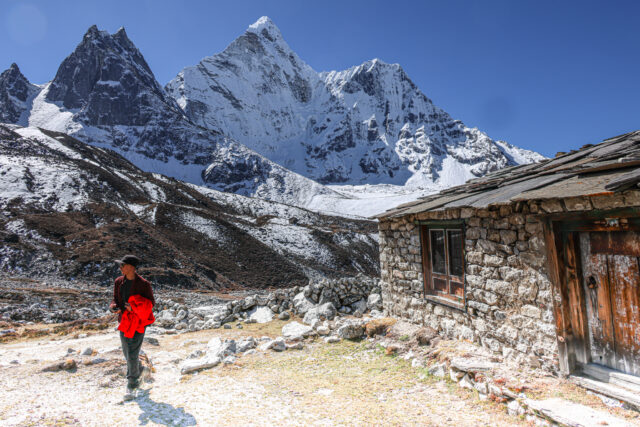
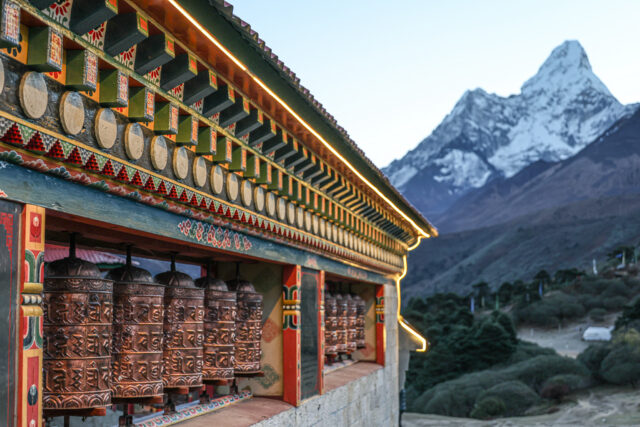
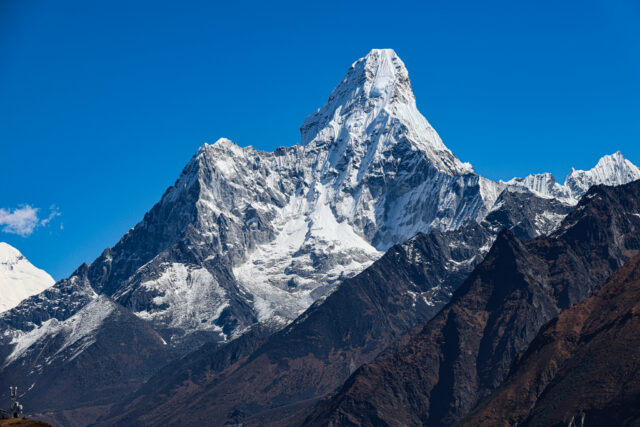
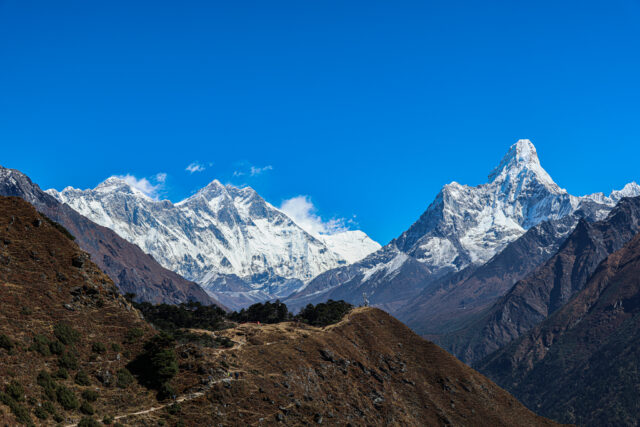
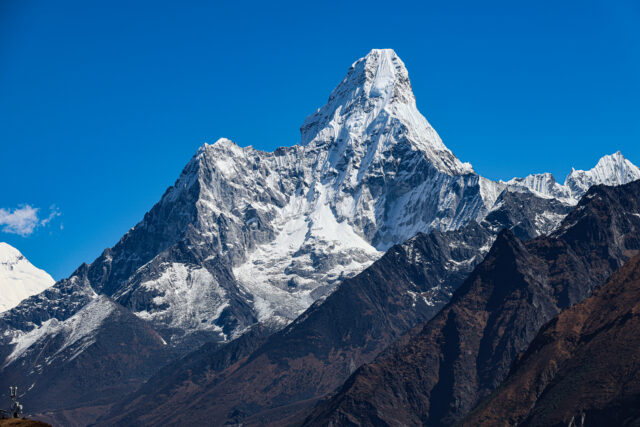
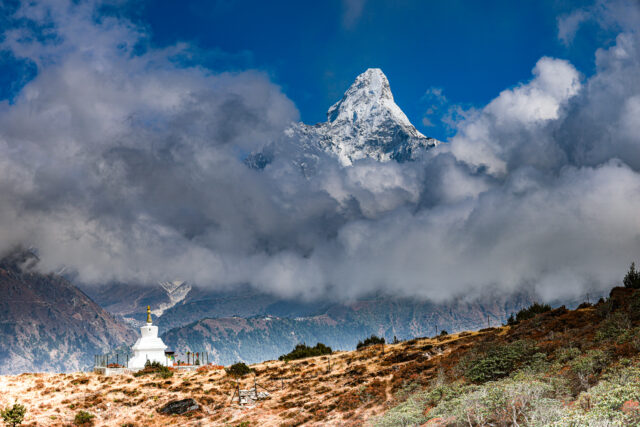
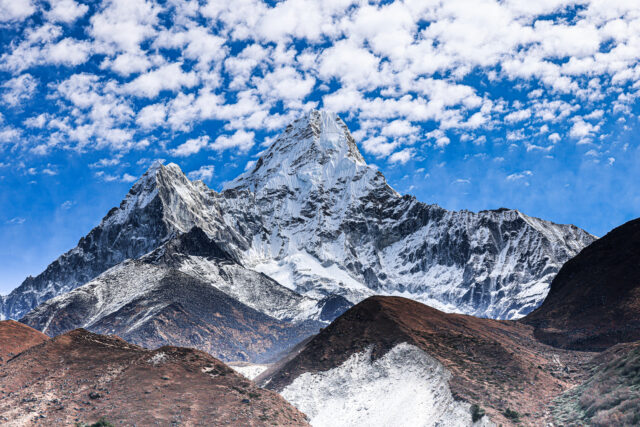
Years ago I became fascinated with Ama Dablam, a 6,812 meter peak in Nepal’s Himalayas, very close to Mount Everest. It’s the perfect mountain: draping arms, a central hanging glacier and a spear-shaped summit that is as forbidding as it is beautiful. Many revere it as the most beautiful mountain in the world, and for me it is. I aspired to see it one day, perhaps touch it, and maybe, just maybe, stand atop it’s majestic pinnacle. But it’s a high mountain, requiring a month of cycling up and down, making forward progression toward safe acclimatization in order to climb it safely. In all, there is a base camp, advanced base camp, camp 1, camp 2, camp 3 and then the summit. Most parties acclimatize by doing rotations after a six day trek from a village to which you fly from Kathmandu.
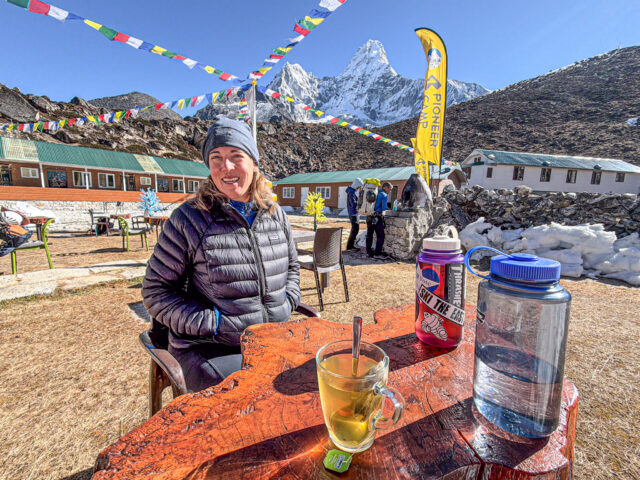
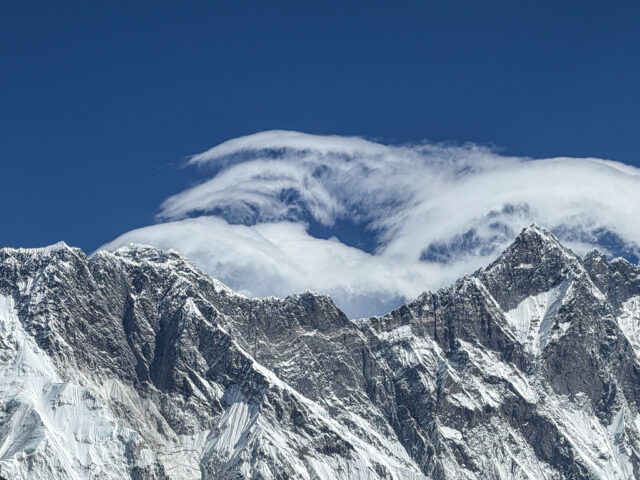
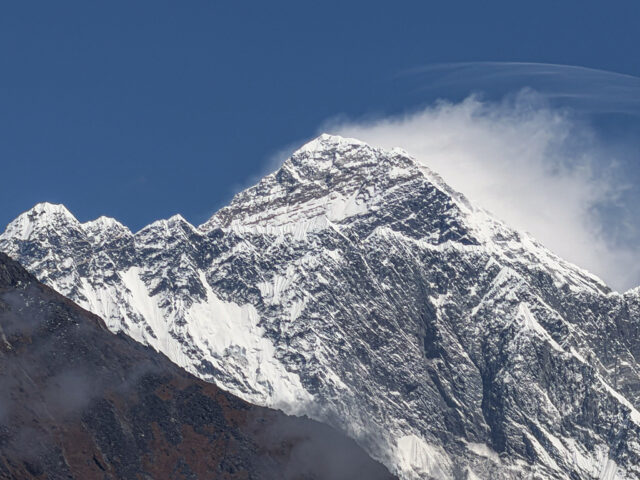
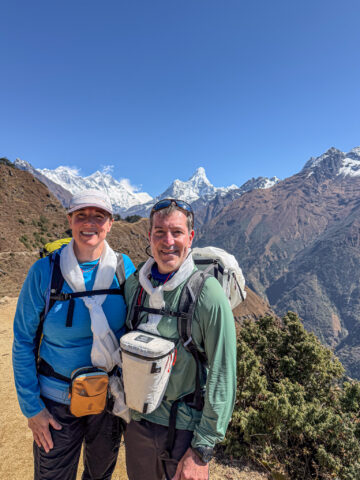
However it was Darcie’s 50th birthday, and she’s so deserving of a great adventure; that’s her nature. Her water bottle boasts a sticker that says “I like hard things.” And neither of us had ever seen the Himalaya, nor Mount Everest, taunting the jet stream as it rips its top. So the solution seemed obvious.
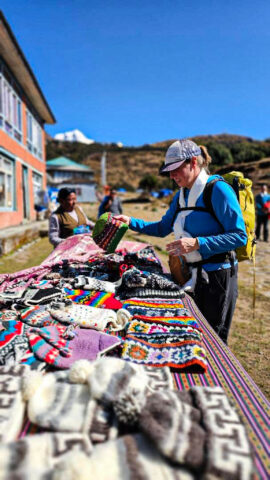
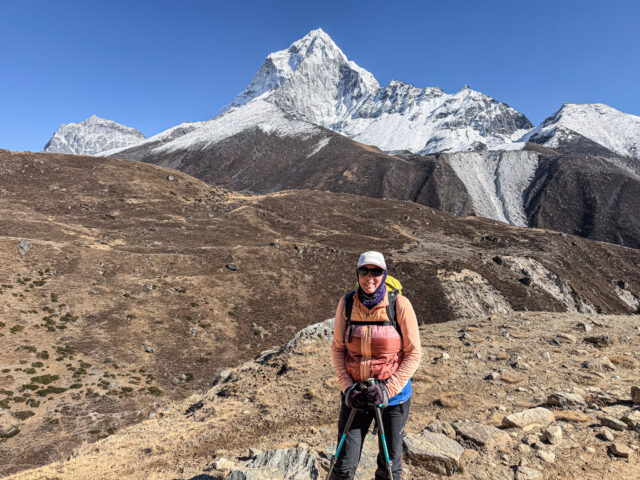
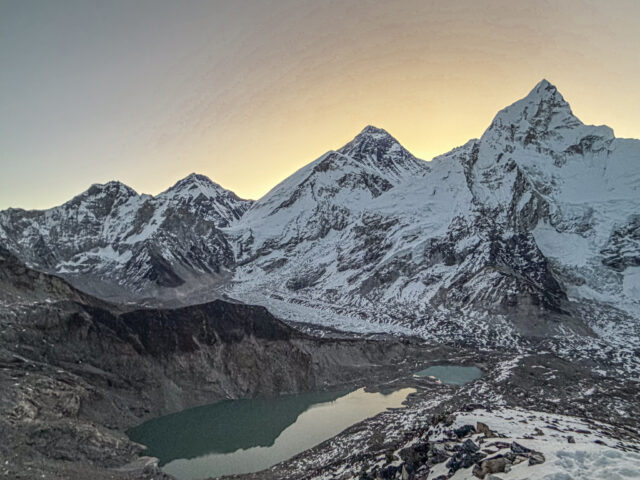
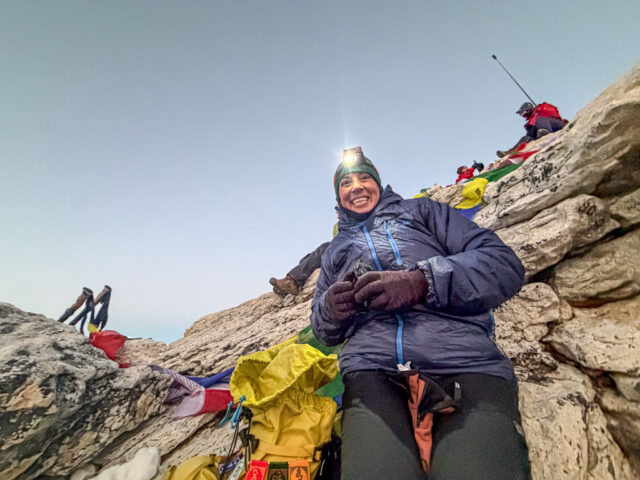
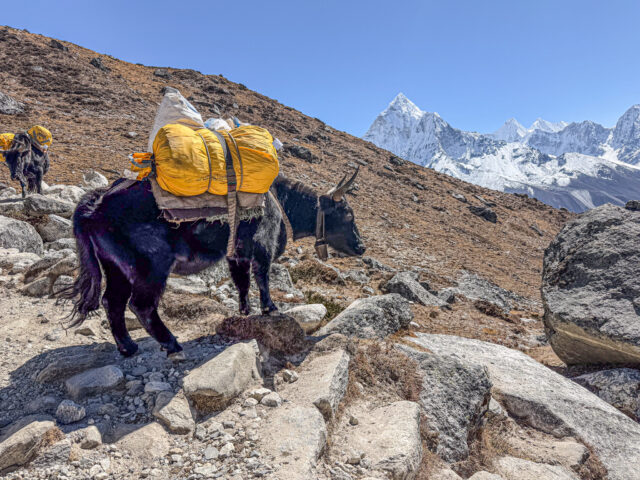
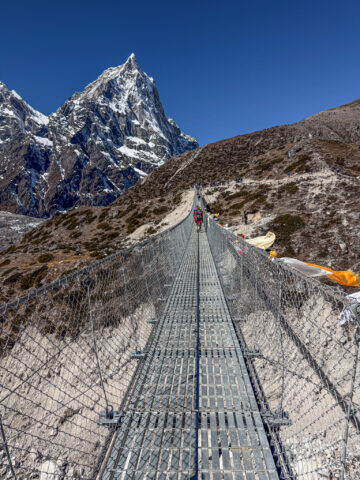
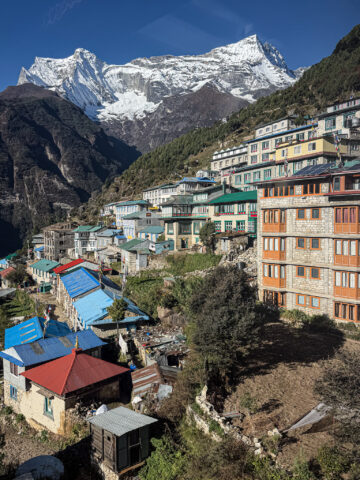
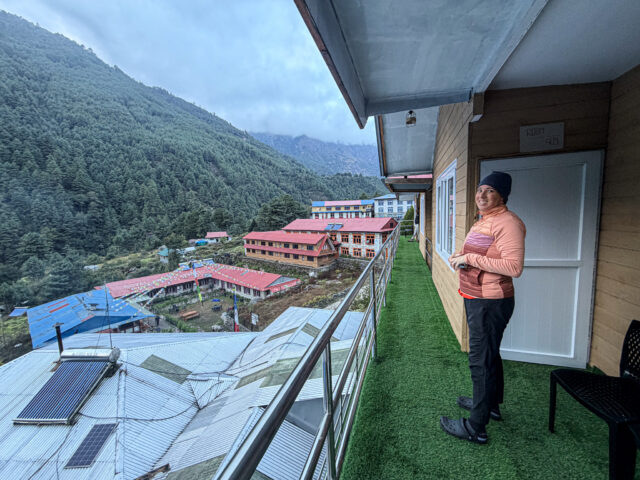
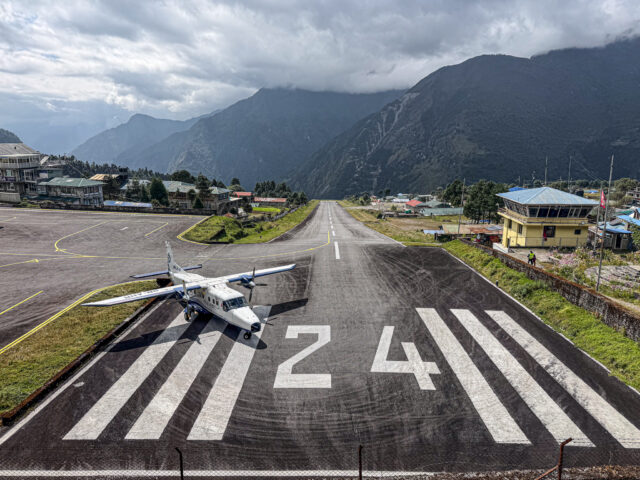
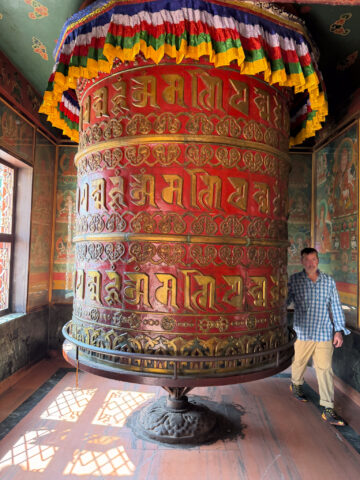
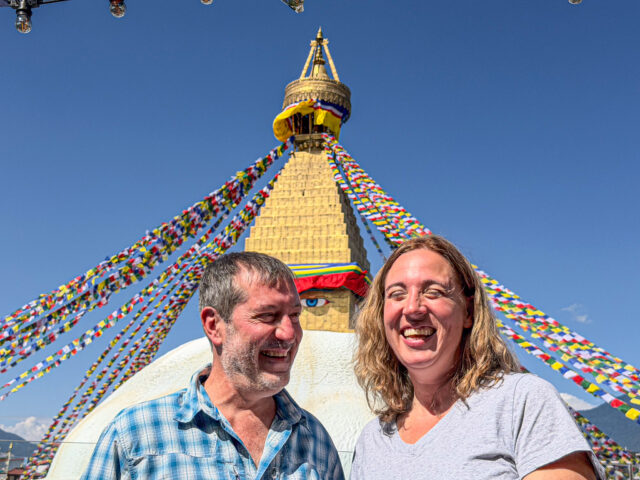
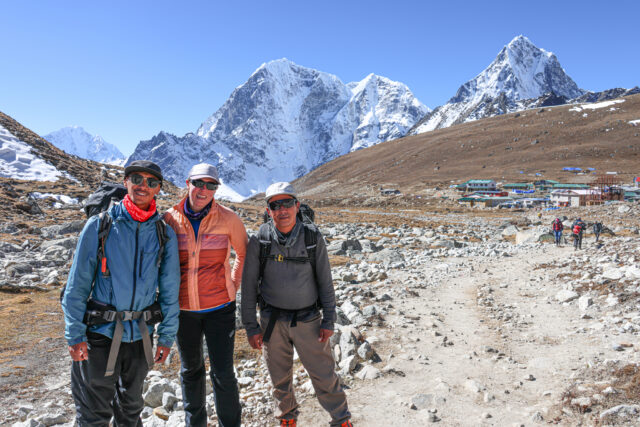
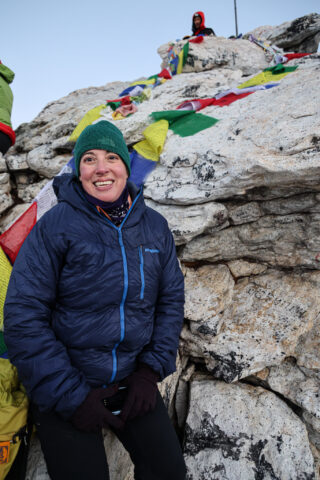
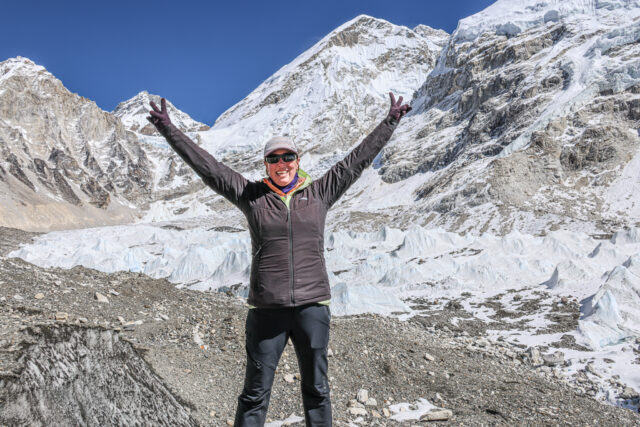
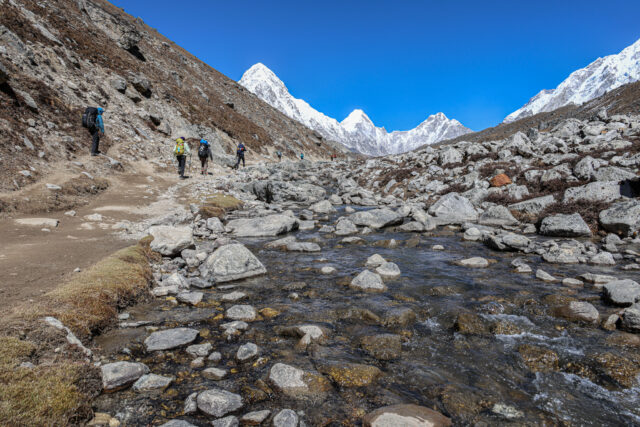
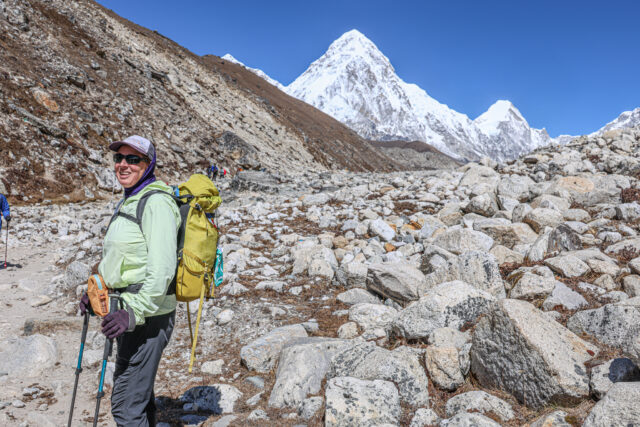
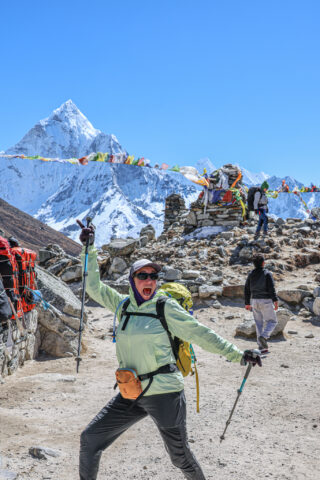
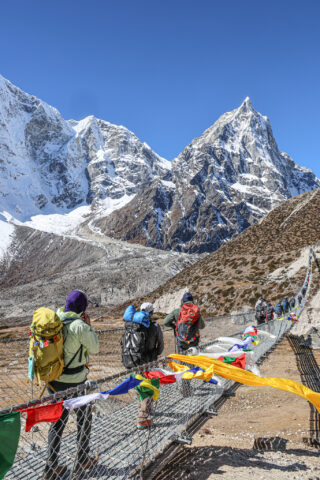
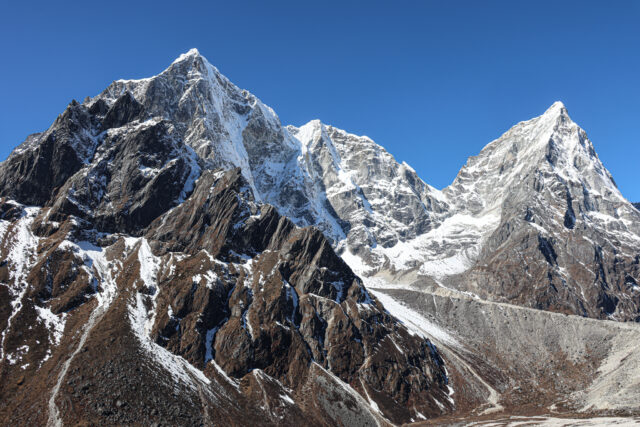
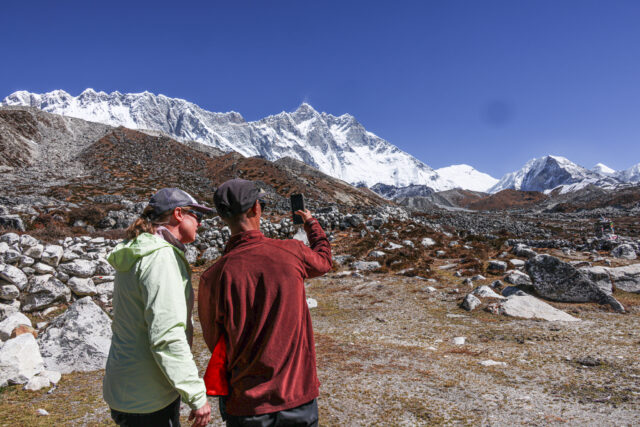
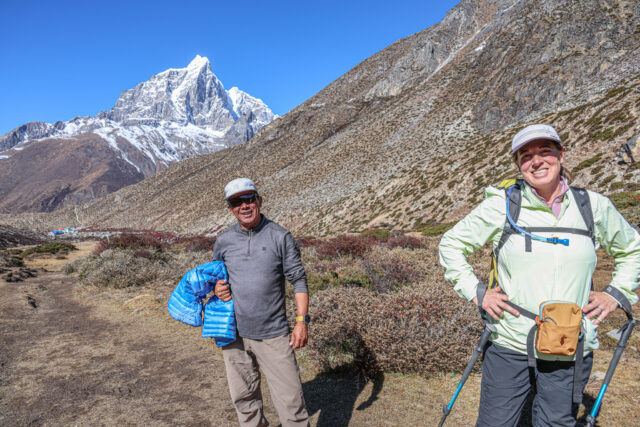
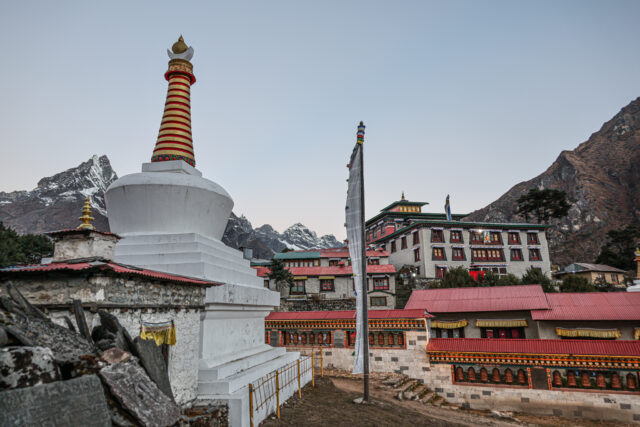
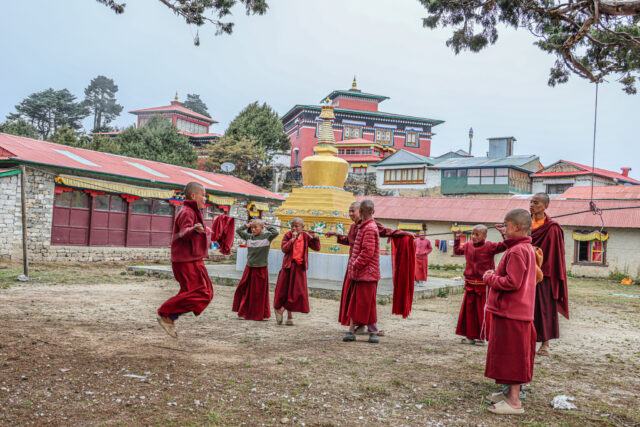
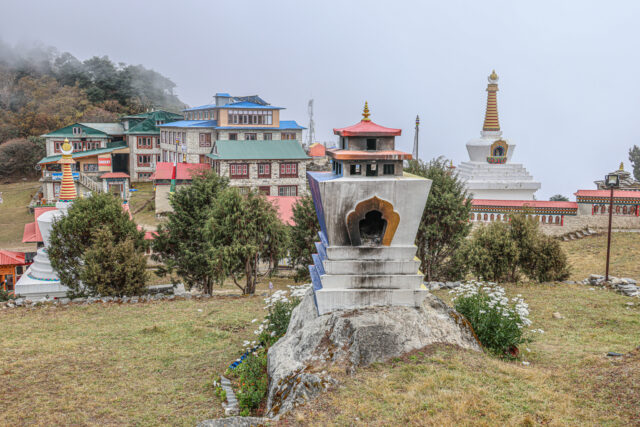
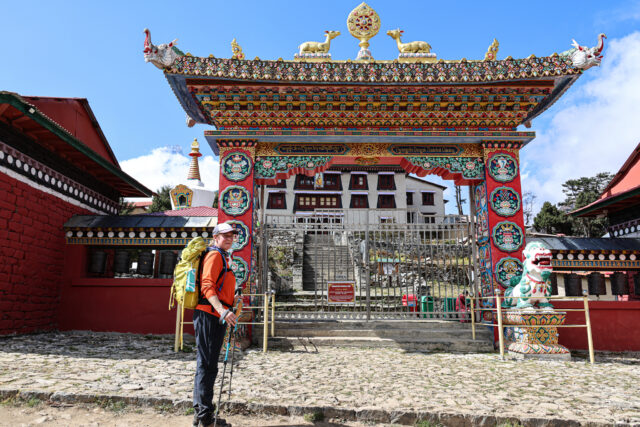
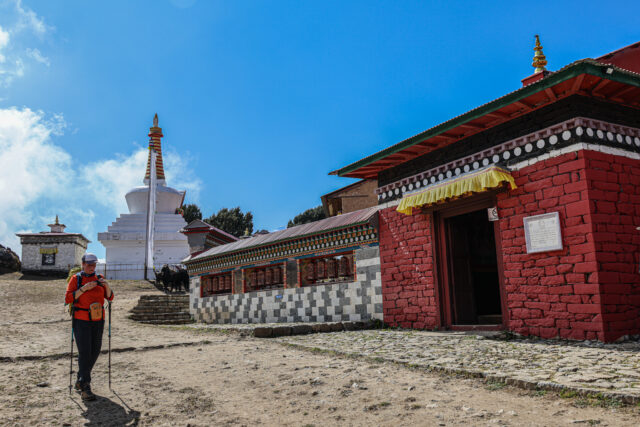
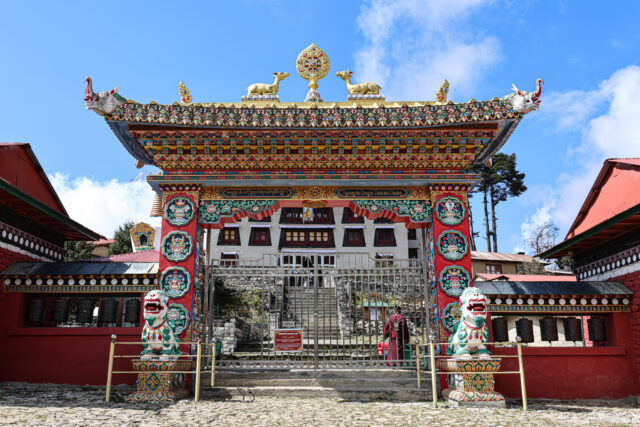
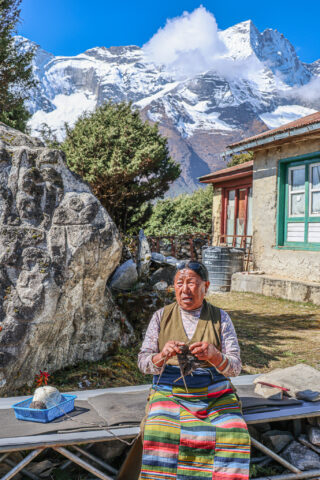
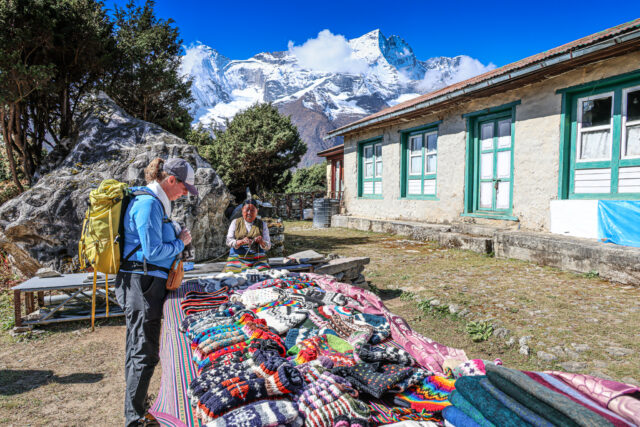
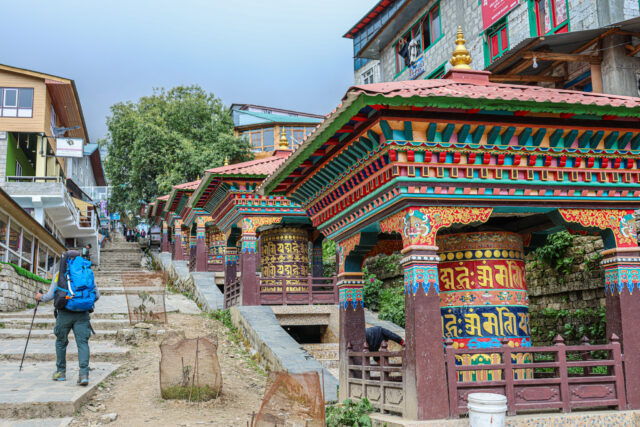
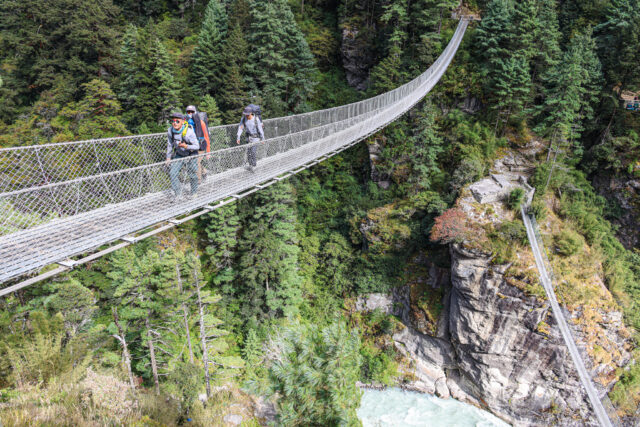
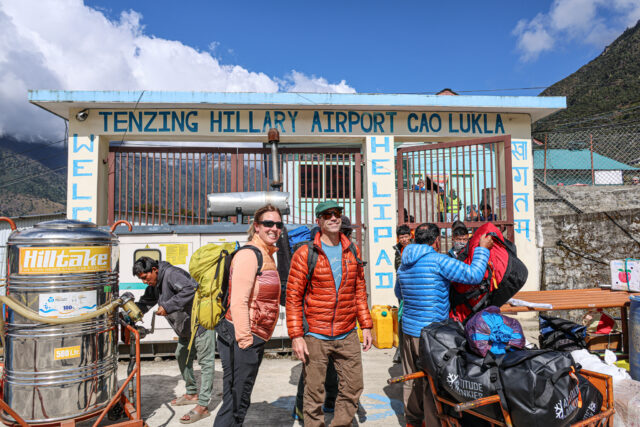
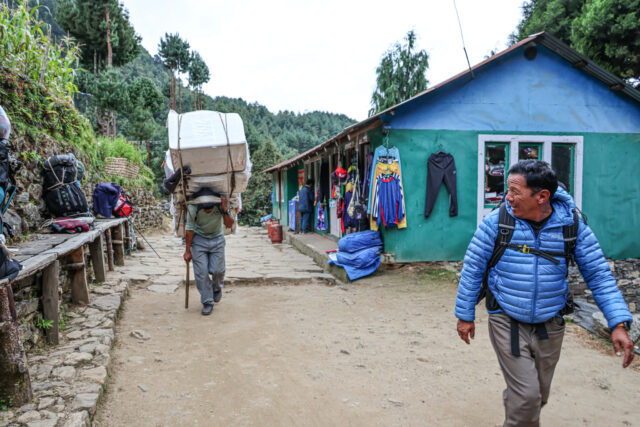
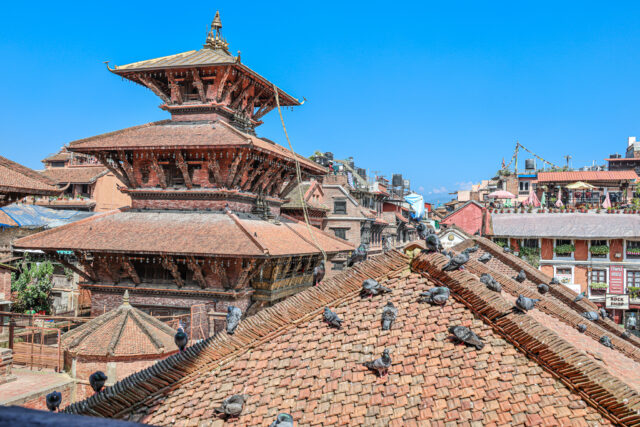
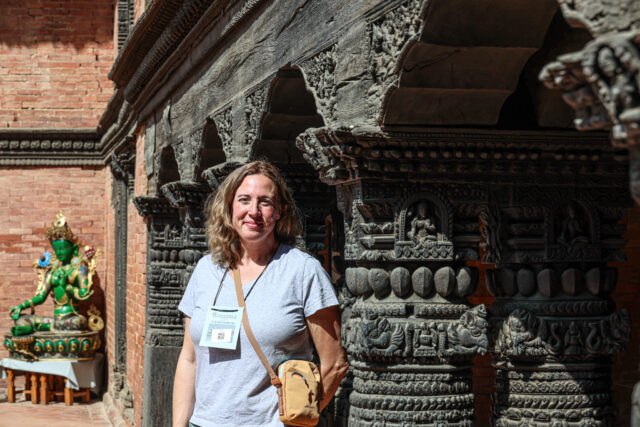
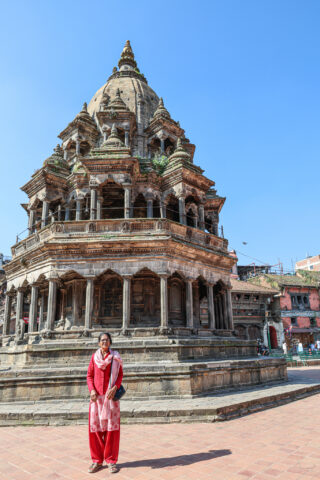
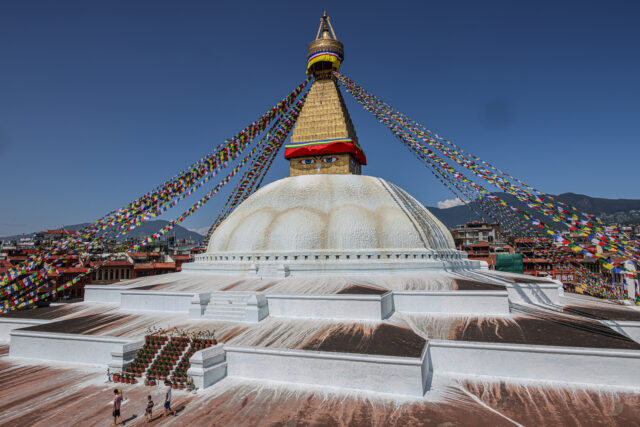
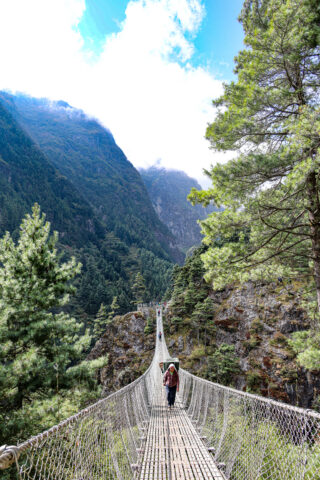
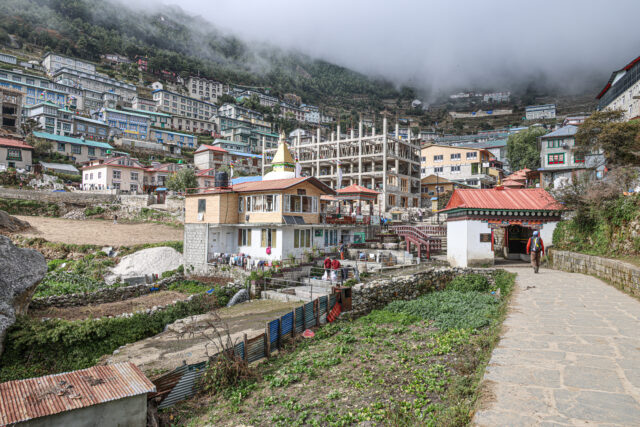
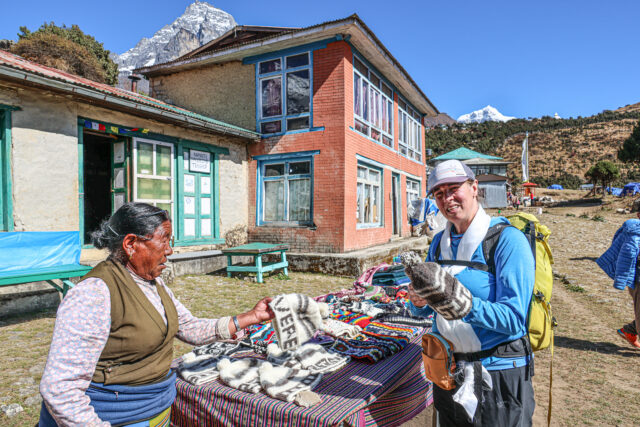
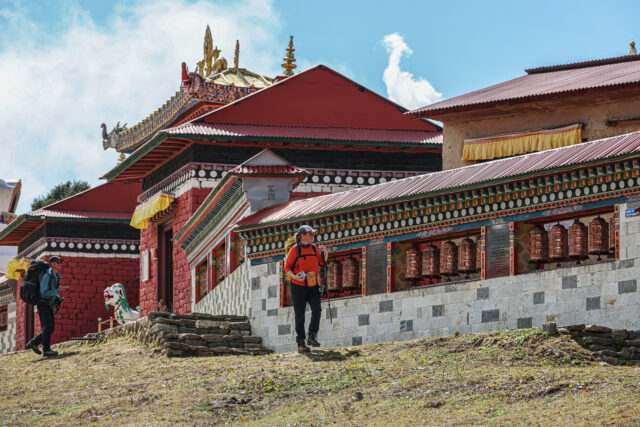
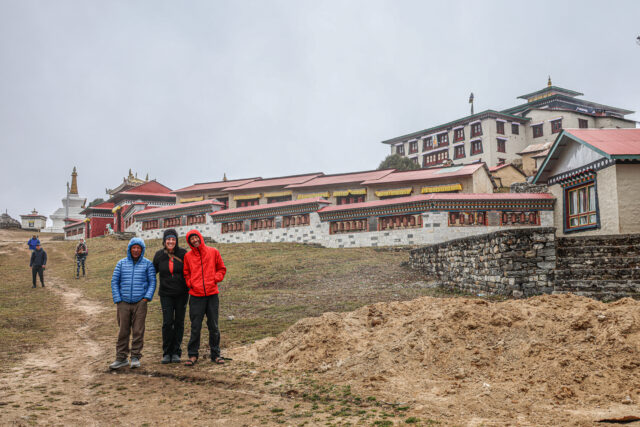
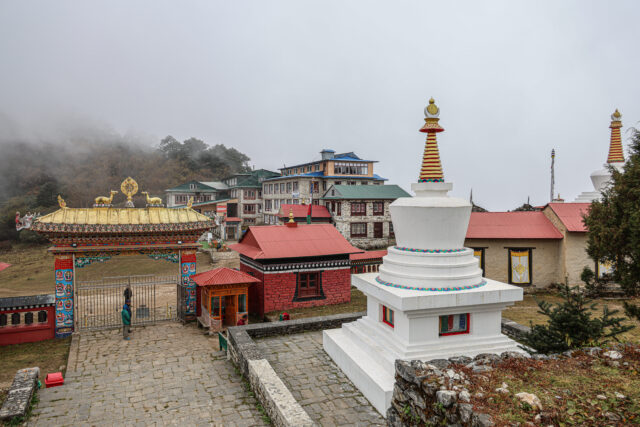
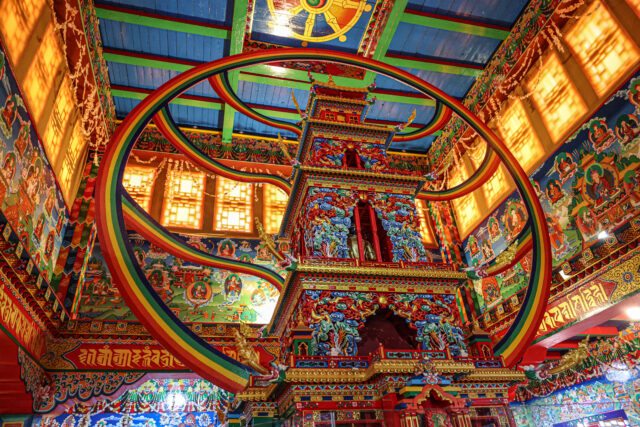
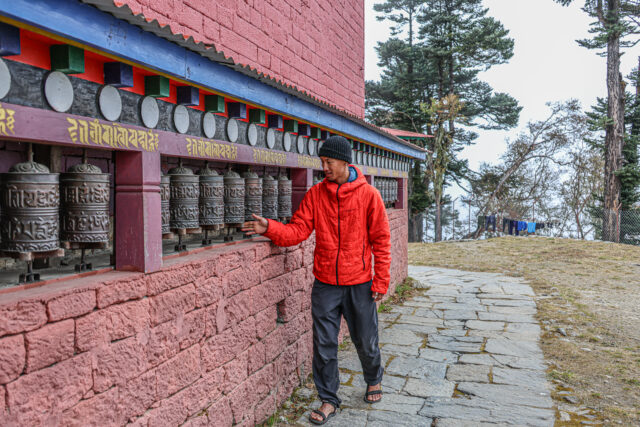
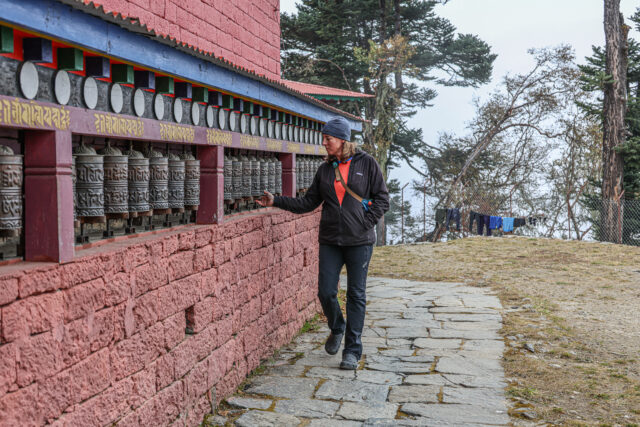
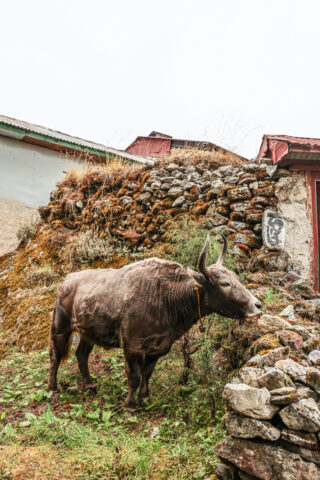
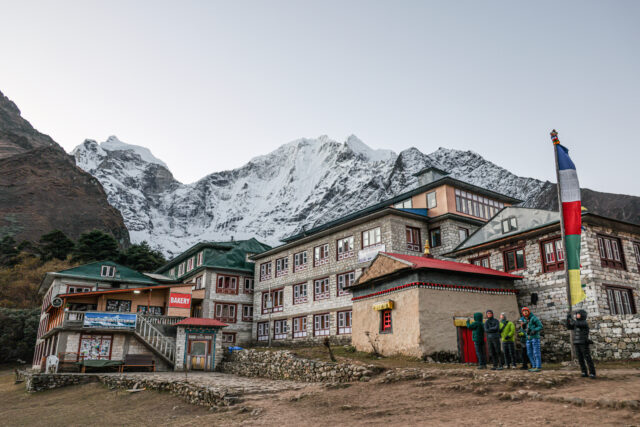
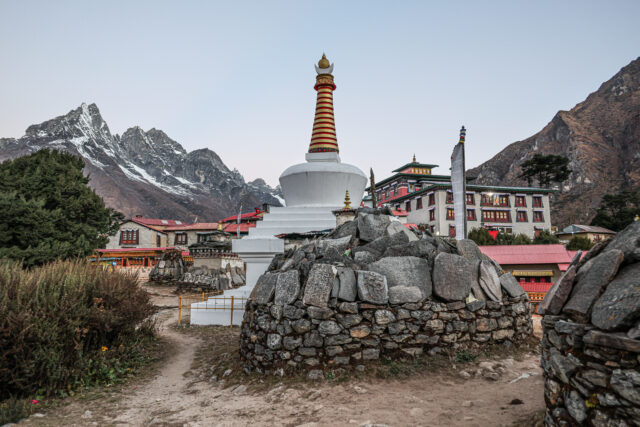
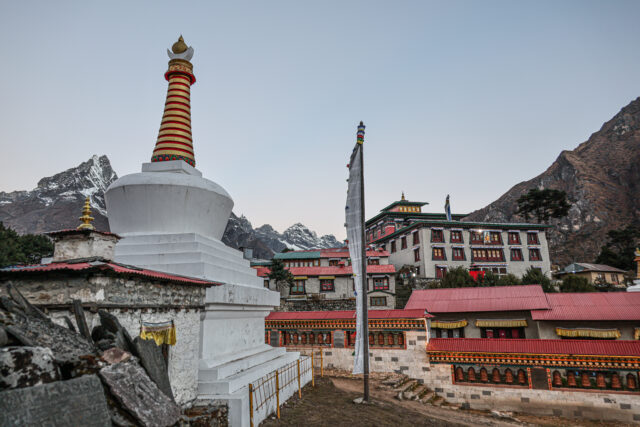
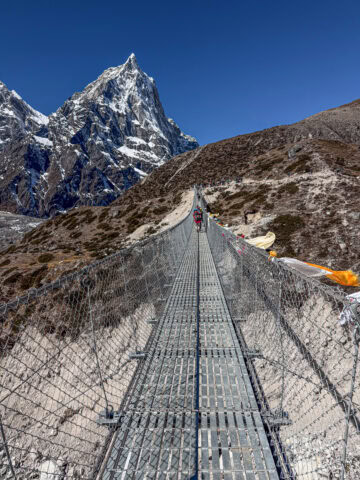
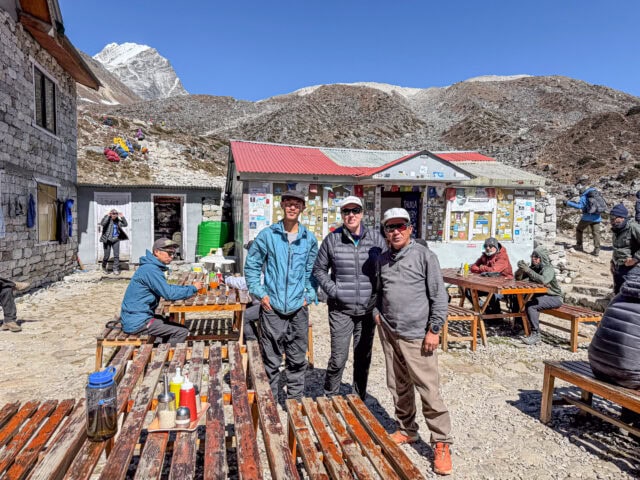
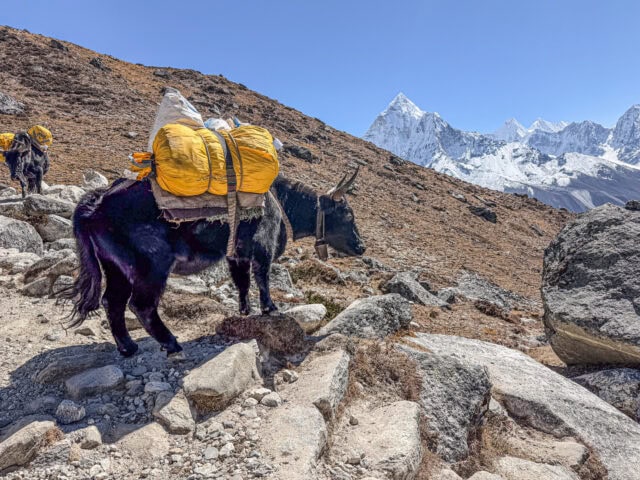
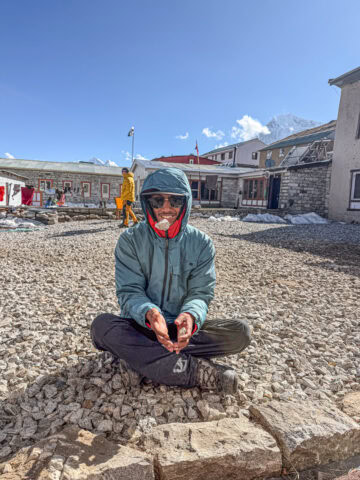
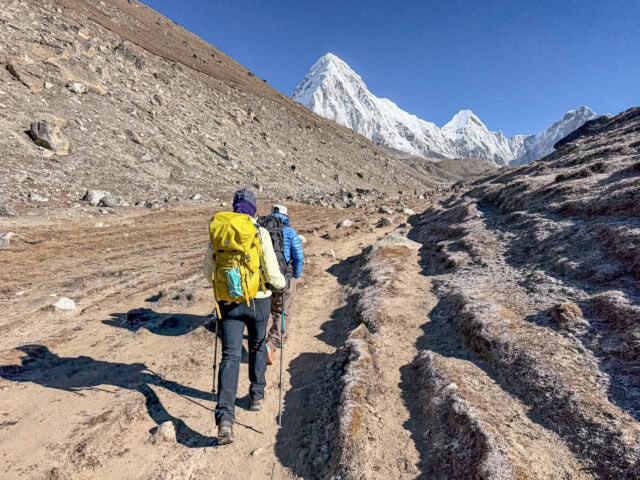
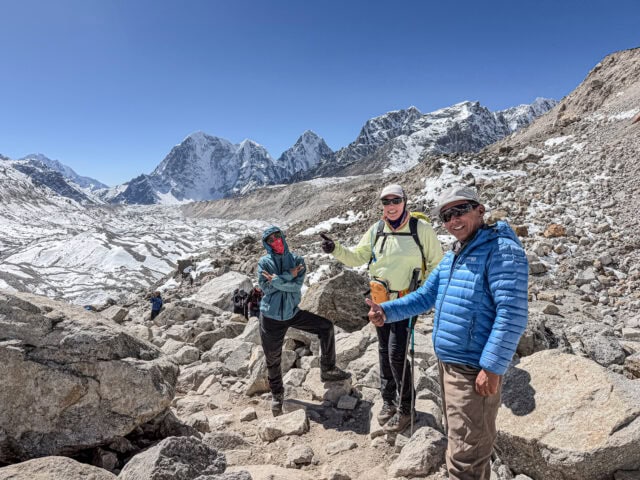
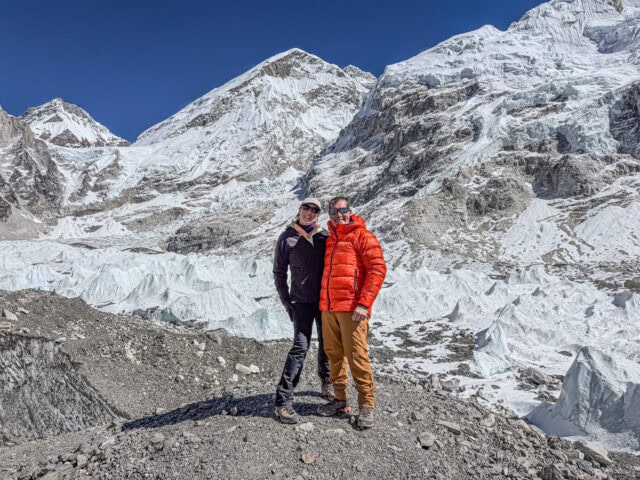
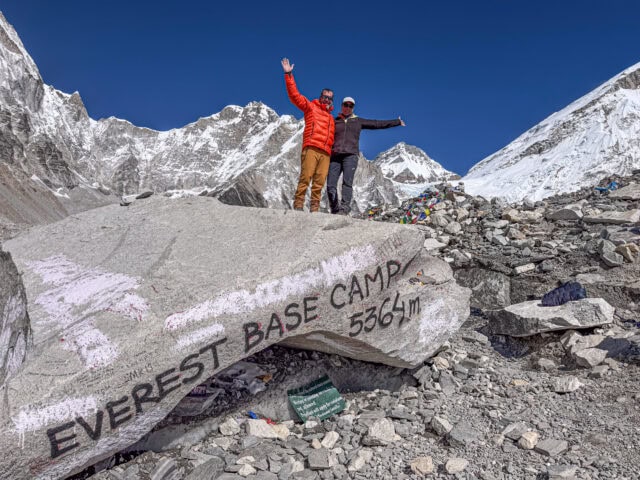
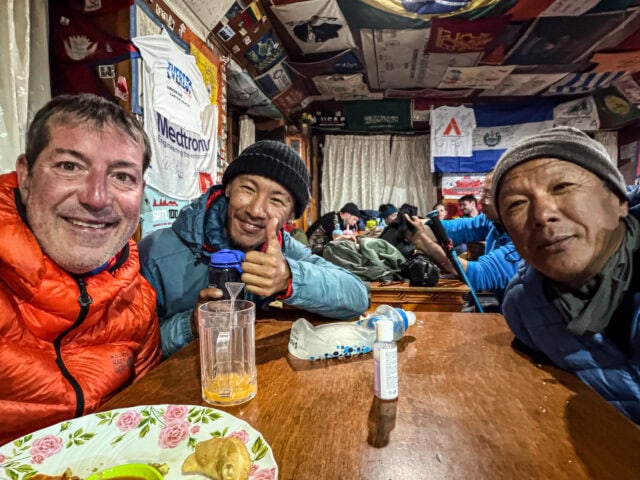
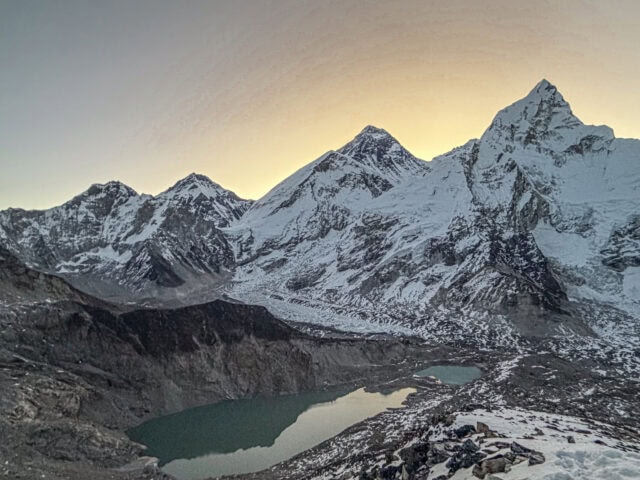
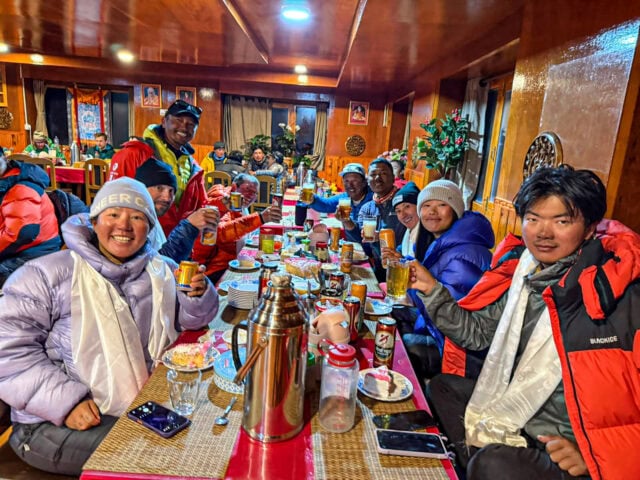
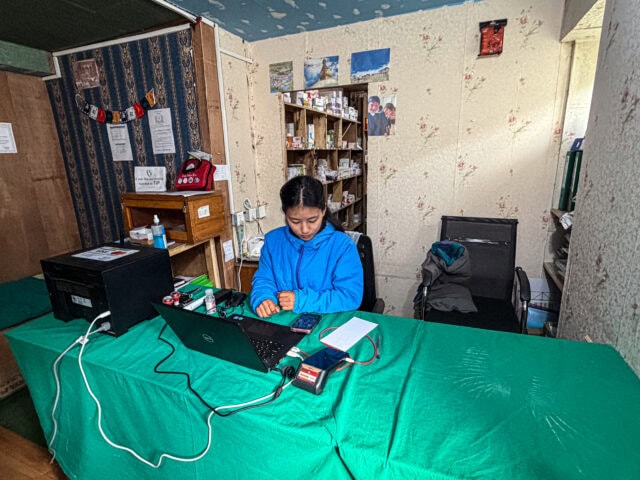
The two of us would fly to Qatar then Nepal. Spend two days exploring Kathmandu, then fly to the high village of Lukla, where we’d begin a 70 mile trek to Everest Base Camp and on to our final destination, Ama Dablam Base Camp. En route we’d stay in tea houses, get to know locals, collaborate with a small village mountain medicine doctor with whom I’ve become friends in hope of publishing medical case reports on altitude illness, and eventually reach Everest Base Camp. We’d then hike higher, over 18,500 feet at sunrise to see the first light on the highest peak in the world before descending to the base camp where climbers stage for an ascent of Ama Dablam, or “mother’s charm box,” as the mountain resembles a seated mother holding two children, and wearing a necklace. The trek left me speechless, with not a warm room, frozen water bottles every morning, beaming monasteries and humble small villages adorned with culture and the raw fortitude of one of the most wondrous cultures that exists on earth.
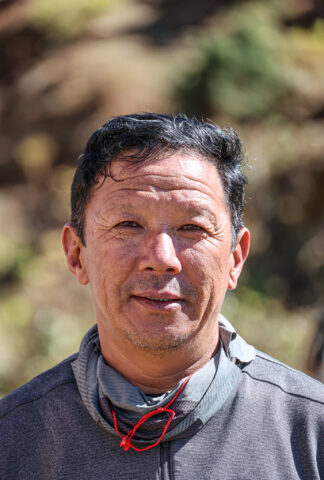
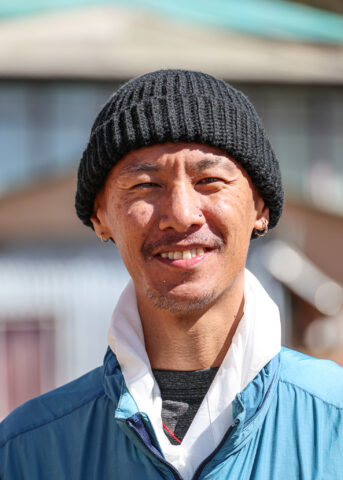
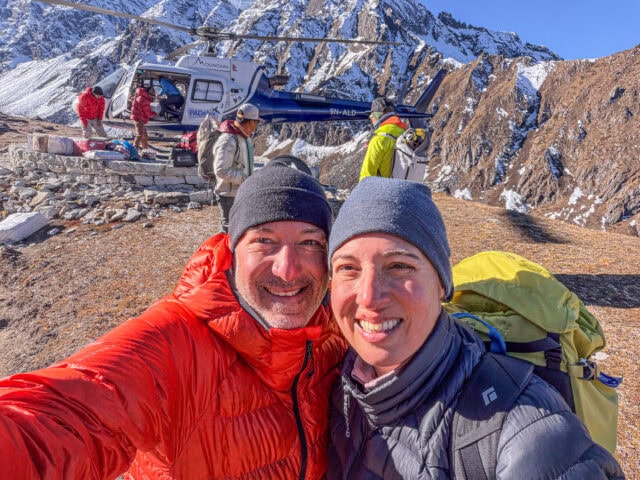
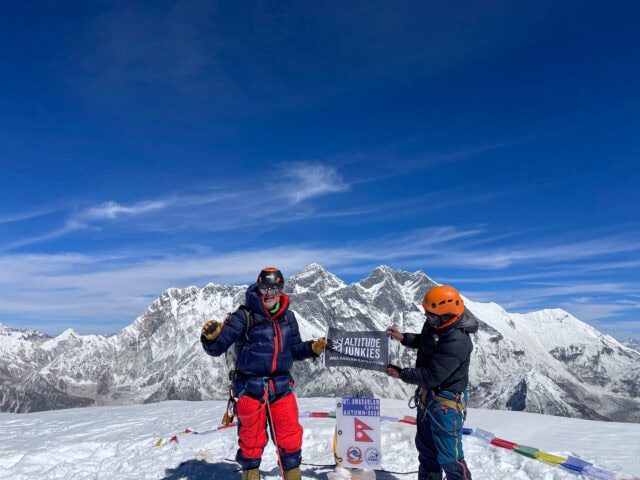
Once at Ama Dablam base camp, Darcie would helicopter back to Kathmandu, while I would hyperfocus on trying to ascend, and safely descend, the world’s most perfect natural sculpture. Since we’d acclimatized over almost two weeks, our wonderful Sherpa guides Pasang Nima and Tenzi of Altitude Junkies and I skipped rotations. This was partially due to an incoming aberrant cyclone off the Bay of Bengal that would bring six feet of snow over three days, making a successful ascent very difficult for weeks.
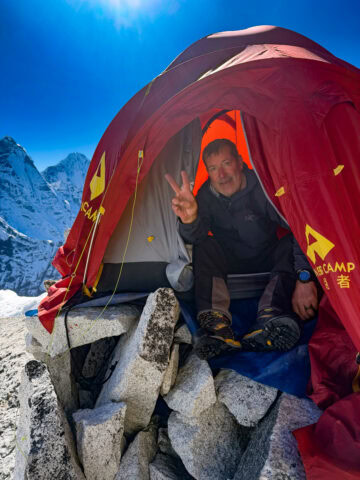
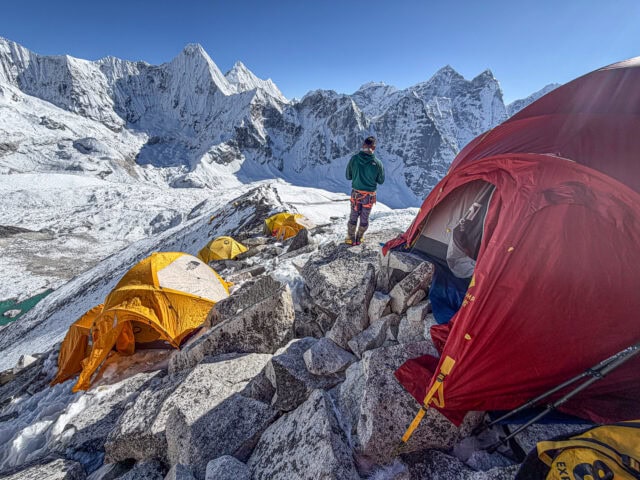
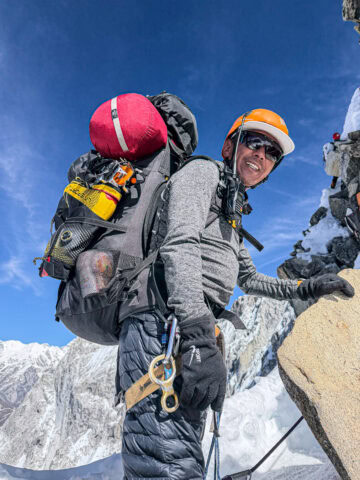
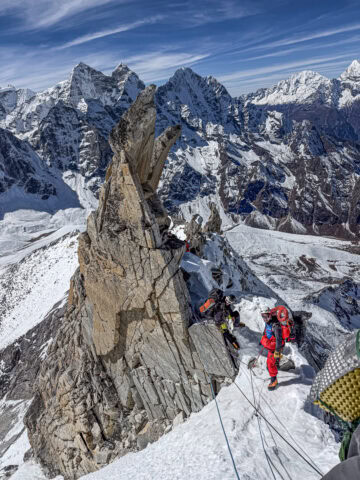
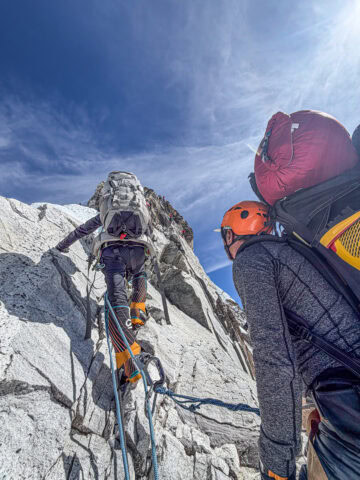
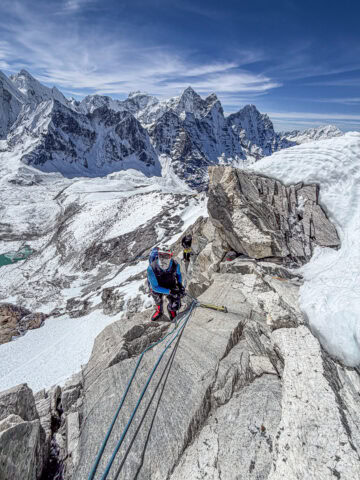
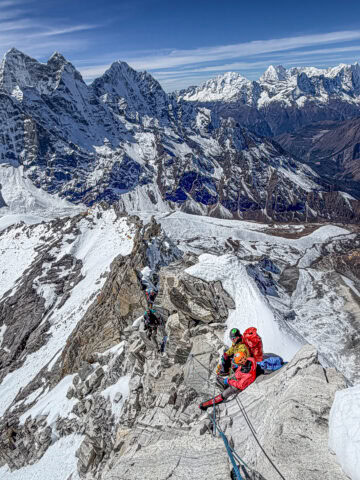
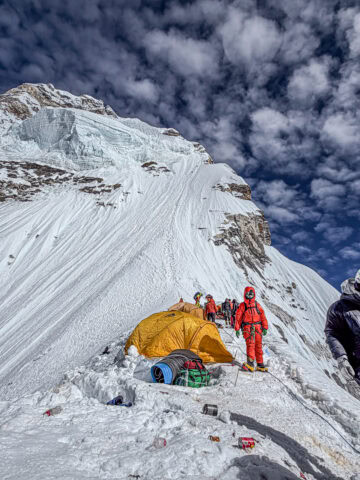
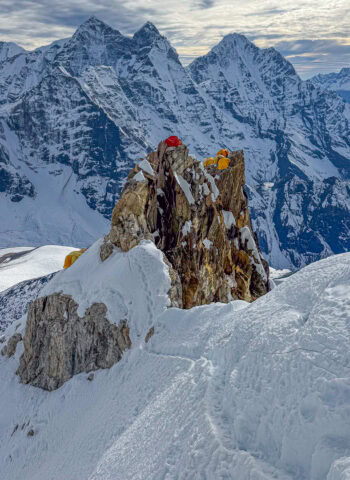
So after Darcie departed for home to tend to pets and details, the three of us pushed up the mountain to camp 1 for a night. Four-thousand vertical feet terminating in fixed ropes which we climbed to precariously teetering tents for the night. The next day we’d climb all day, technical rock at altitude to a final vertical wall of rock topping out on a spire with tents perched atop with many thousands of feet of sheer cliff below. Three helicopters executed long line rescues that day and into the next, with one fatality, ringing true that this was a very serious peak with a modicum of risk that is not present even in much higher Himalayan peaks.
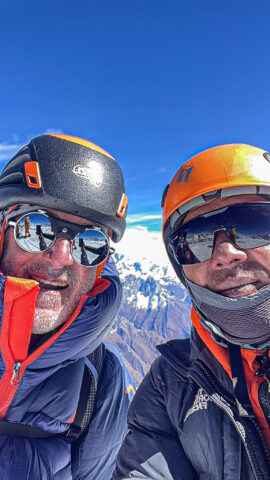
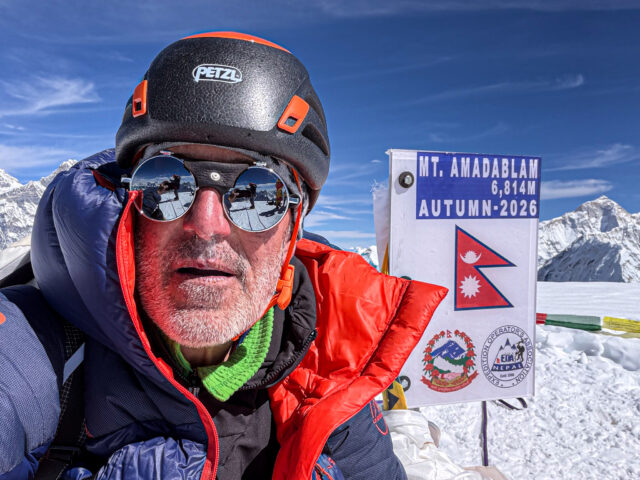
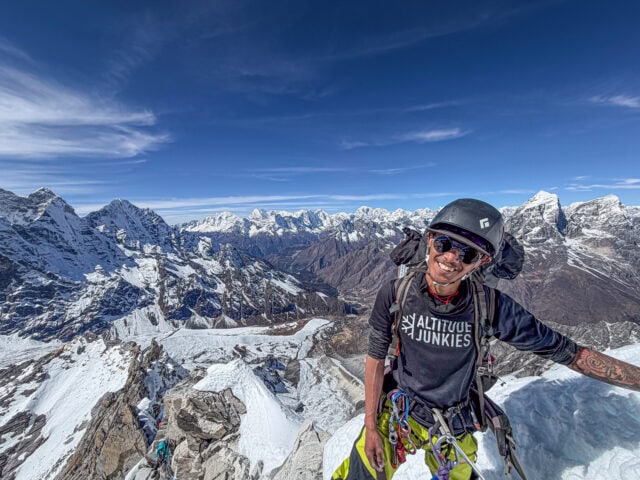
We’d leave camp 2 at midnight, ascend vertical snow, rock and ice to an icy bench. From there, we’d climb seventy-degree snow and ice to the peak. After celebrating in -20 degree weather, but with no wind nor clouds, for a full five minutes, we descended into the night, reaching camp 1 after 22 hours. It didn’t really strike me the magnitude of the scale until we came down. But we did so safely. And we awoke, dropped down another 4500 vertical feet over many miles. As we entered the base camp tea house, the first flurries arrived. And they didn’t stop for four days, releasing four feet of snow at base camp, twice that up high.
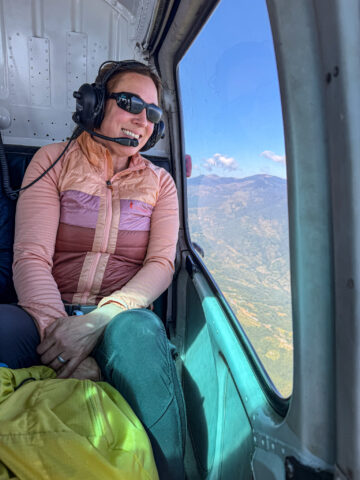
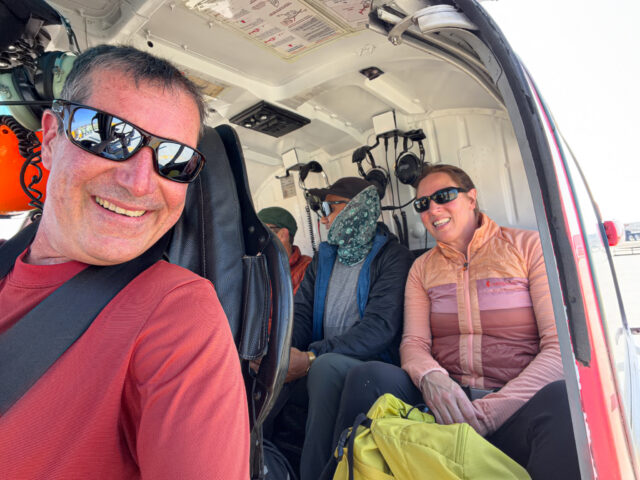
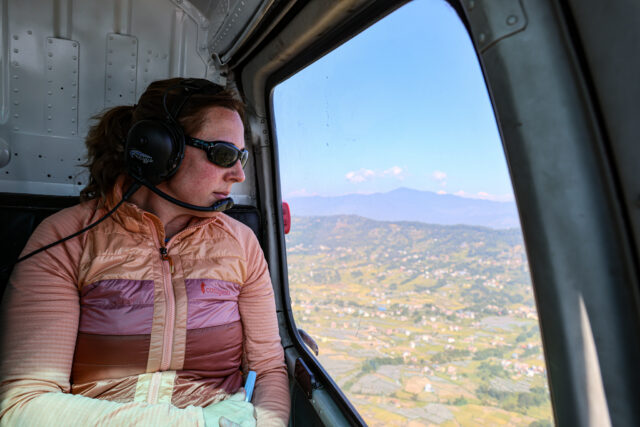
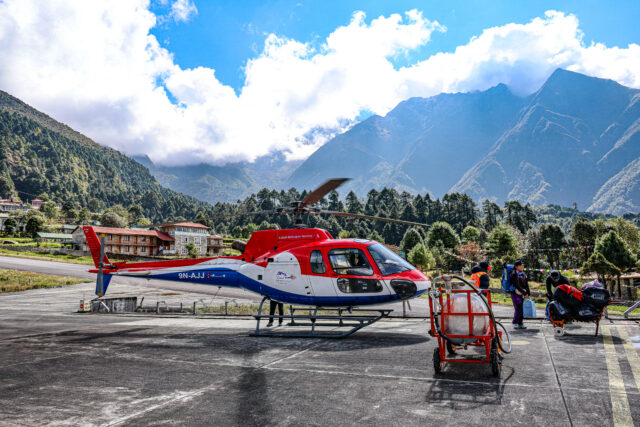
We waited out the storm, finally helicoptering back to Kathmandu where we seperated to our well-earned showers and warm rooms.
The balance of the entire trip was profound. But really made possible from supportive friends, family and colleagues. A life dream fulfilled, prefaced by one of the the majestic adventures with the most adventurous women that exists.
I don’t know if I’ll ever be able to replicate the feeling of the entire experience, or the almost removed-from-my-body sensation that occured on Ama Dablam. But it’s now part of us, part of me, and I feel indelibly changed and more full of appreciation for the human spirit, the natural world and those who had hope that in the end, there would be no regrets.
Namaste.